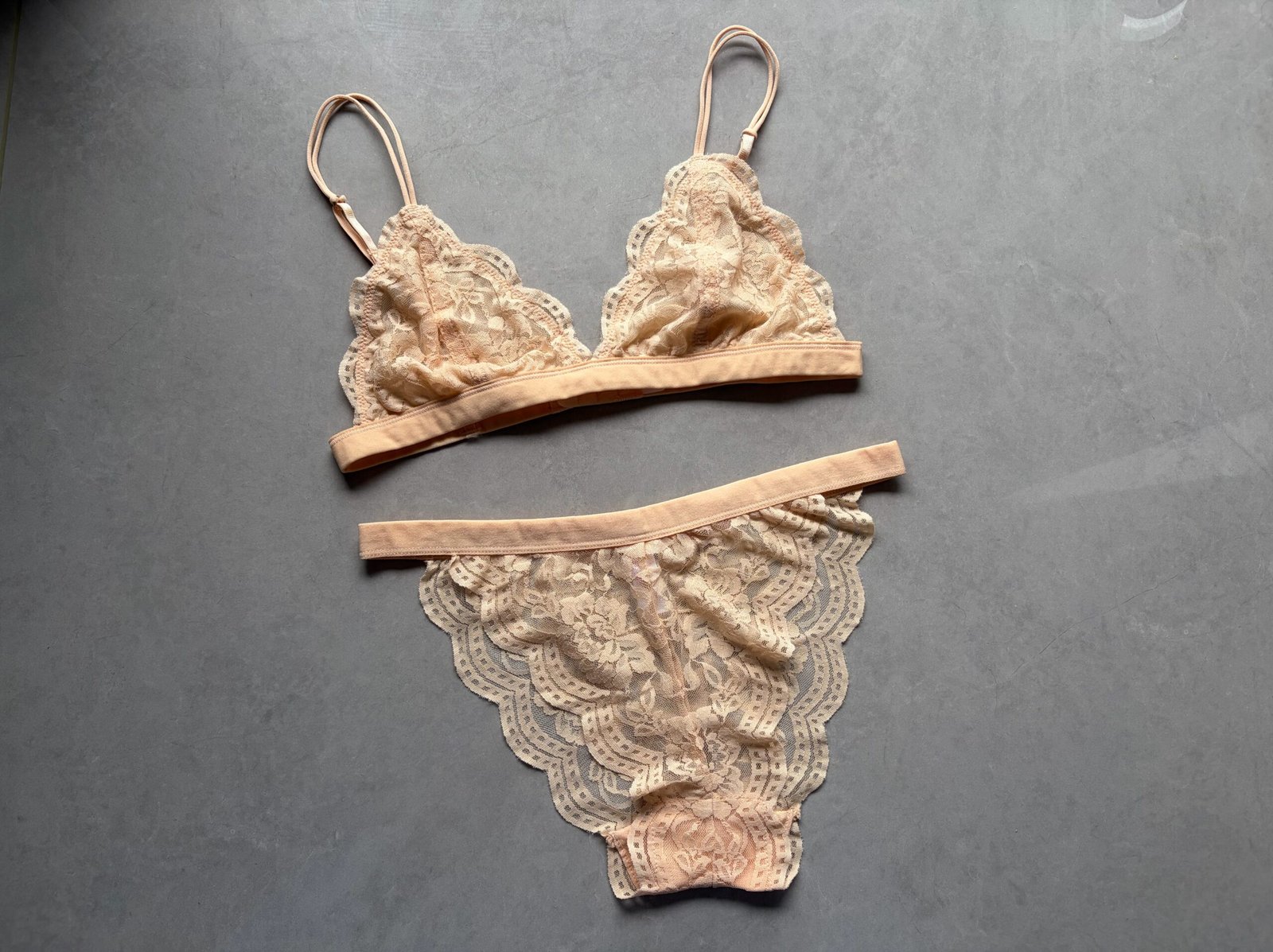

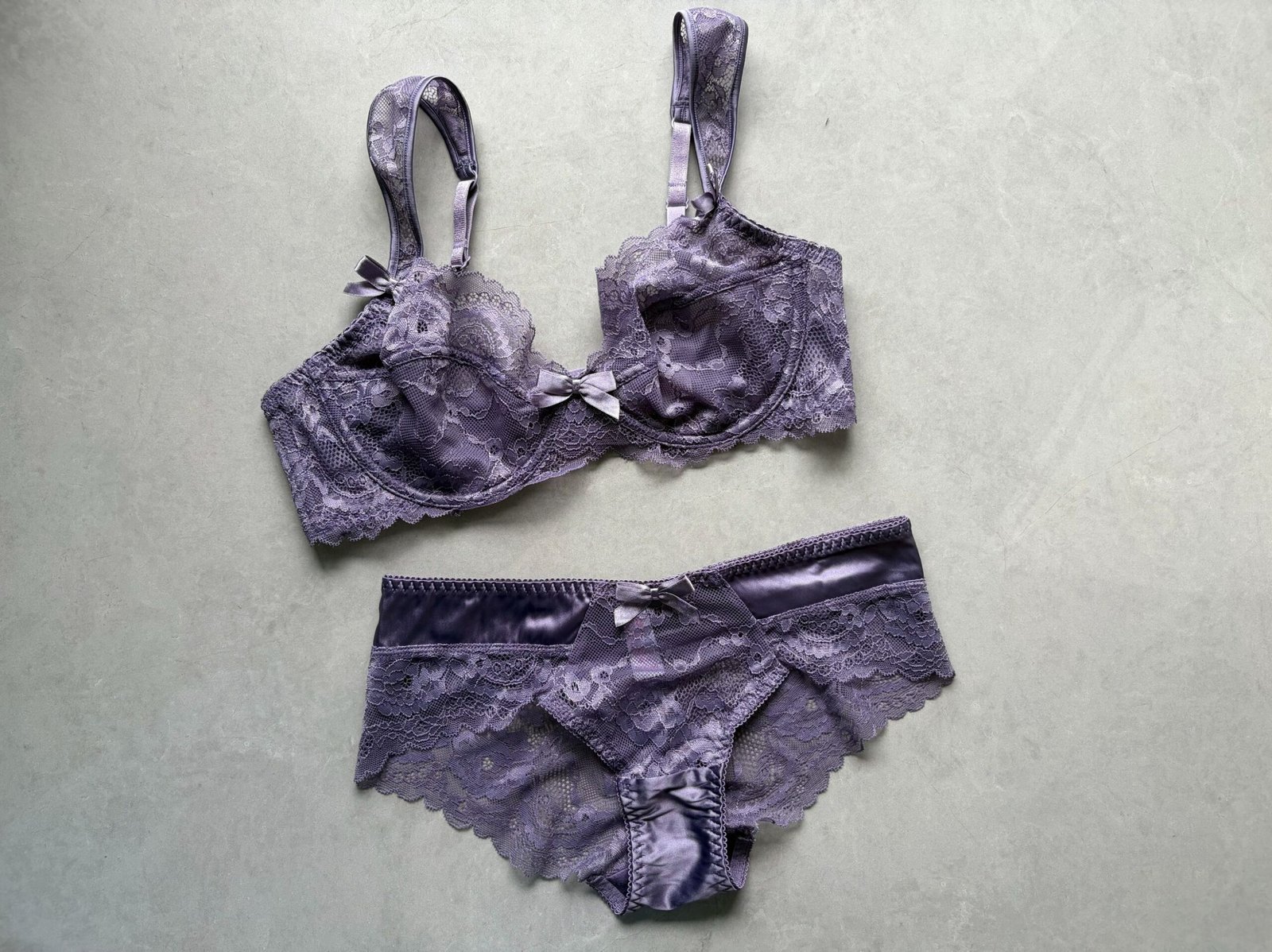
As sustainability and natural materials continue to gain attention in the fashion industry, more consumers are asking for lingerie made from natural fibers. Cotton, bamboo, and silk are frequently mentioned as desirable alternatives to synthetic materials.
However, if you look closely at most successful lingerie brands on the market today, you will notice that nylon-spandex lace remains the dominant choice.
Why?
The answer is not simply about cost. It is about performance, manufacturing consistency, and the technical requirements of intimate apparel.
The Growing Interest in Natural Fiber Lingerie
Over the past few years, many emerging lingerie brands have explored the idea of incorporating more natural materials into their collections.
From a marketing perspective, natural fibers offer clear advantages:
- Soft hand feel
- Breathability
- Sustainability appeal
- Consumer perception of comfort
For products such as sleepwear, loungewear, and cotton underwear, natural fibers can be an excellent solution.
But lingerie presents a unique challenge.
Unlike basic apparel, lingerie must provide support, flexibility, shape retention, and long-term durability while maintaining a delicate and attractive appearance.
This is where nylon lace continues to outperform most natural alternatives.
Elasticity Is Essential in Lingerie
One of the biggest reasons lingerie manufacturers continue to use nylon-spandex lace is elasticity.
Lingerie is designed to fit closely against the body. Bras, bralettes, bodysuits, and lace panties all rely on controlled stretch to achieve comfort and fit.
Nylon combined with spandex provides:
- Excellent stretch performance
- Strong recovery after repeated wear
- Better shape retention
- Consistent sizing
Cotton lace, even when blended with elastic fibers, generally cannot deliver the same level of performance.
Without adequate recovery, garments can become loose, distorted, or uncomfortable after repeated use.
For brands, this creates a significant risk of customer complaints and product returns.
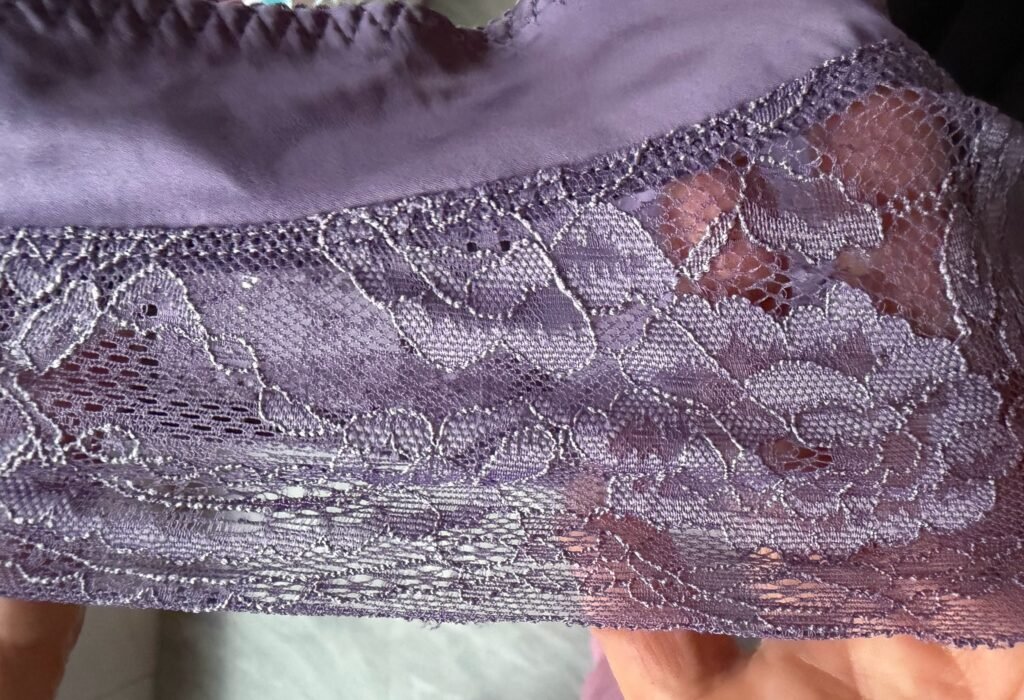
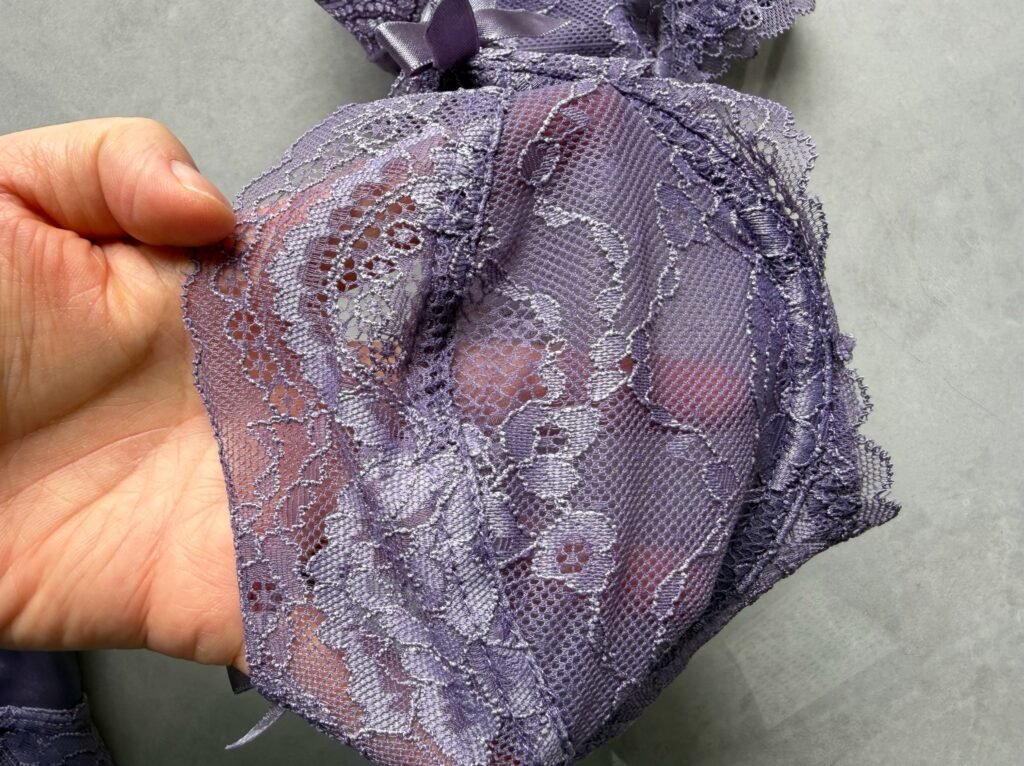
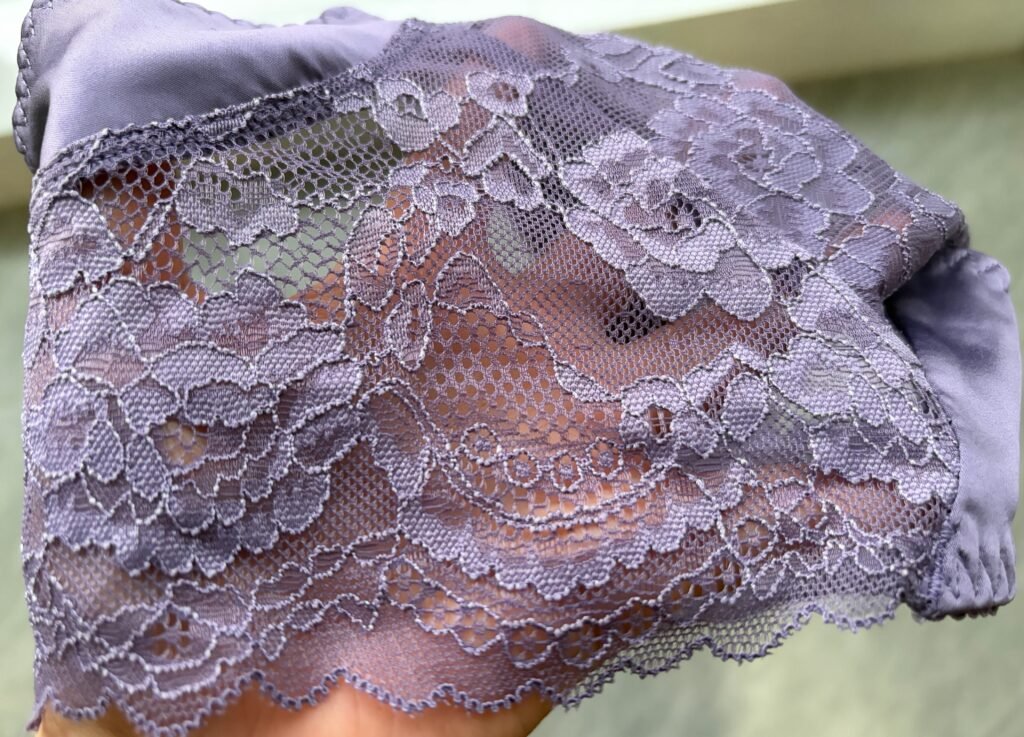
Delicate Lace Patterns Require Synthetic Fibers
Modern lingerie is heavily influenced by visual appeal.
Popular lace categories such as:
- Eyelash Lace
- Chantilly Lace
- Galloon Lace
- Leavers Lace
are typically produced using very fine nylon yarns.
These yarns allow manufacturers to create:
- Intricate floral patterns
- Lightweight structures
- Fine mesh backgrounds
- Detailed scalloped edges
Natural fibers such as cotton are thicker and less uniform, making it more difficult to achieve the same level of detail.
As a result, many premium-looking lace designs would be difficult or impossible to reproduce using cotton-based constructions.
Durability Matters in Commercial Production
Consumers often expect lingerie to maintain its appearance after dozens of washes.
Nylon lace offers several advantages:
- Higher tensile strength
- Better abrasion resistance
- Lower shrinkage rates
- Improved dimensional stability
Cotton-based lace may shrink, lose shape, or become less attractive over time.
For brands selling in competitive markets, durability is a critical quality indicator.
A beautiful product that does not survive regular wear will ultimately damage customer satisfaction and brand reputation.
Manufacturing Consistency Is Critical
From a supplier’s perspective, consistency is often more important than innovation.
Commercial production requires:
- Stable fabric availability
- Consistent dyeing results
- Predictable lead times
- Reliable quality standards
Nylon lace has been the industry standard for decades, which means global supply chains are well-established.
Manufacturers can source identical lace constructions repeatedly, helping brands maintain consistency across multiple production runs.
Natural-fiber lace options are still relatively limited in terms of:
- Available patterns
- Color options
- Production capacity
- Supplier network
For brands planning long-term collections, this can create sourcing challenges.
Cost Is Only Part of the Equation
Many discussions focus solely on material cost.
In reality, brands evaluate total production cost, which includes:
- Material performance
- Manufacturing efficiency
- Product lifespan
- Return rates
- Quality control risks
Even if a cotton lace costs slightly more or less than a nylon alternative, poor elasticity or inconsistent quality can create hidden costs throughout the supply chain.
For most commercial lingerie brands, nylon lace continues to offer the best balance between performance, aesthetics, reliability, and cost-effectiveness.
Is There a Future for Natural Fiber Lace?
Absolutely.
As textile technology continues to evolve, manufacturers are exploring innovative solutions that combine natural fibers with functional performance.
We are already seeing developments in:
- Organic cotton blends
- Bamboo-based textiles
- Recycled fibers
- Bio-based synthetic materials
However, these alternatives still face technical challenges when it comes to elasticity, lace detailing, and large-scale production.
For now, most successful lingerie collections continue to rely on nylon-spandex lace while incorporating sustainability improvements elsewhere in the product.
Final Thoughts
Natural fibers have an important place in the future of fashion, but lingerie presents unique technical requirements that cannot be ignored.
For brands developing lingerie collections today, nylon-spandex lace remains the most practical choice due to its superior elasticity, design flexibility, durability, and manufacturing consistency.
The conversation should not be framed as nylon versus cotton.
Instead, the real question is how manufacturers can continue improving sustainability while maintaining the performance standards that consumers expect from modern lingerie.
As suppliers and brands work together to innovate, the future will likely involve a balance of both performance and responsibility rather than a complete shift toward any single material.